-
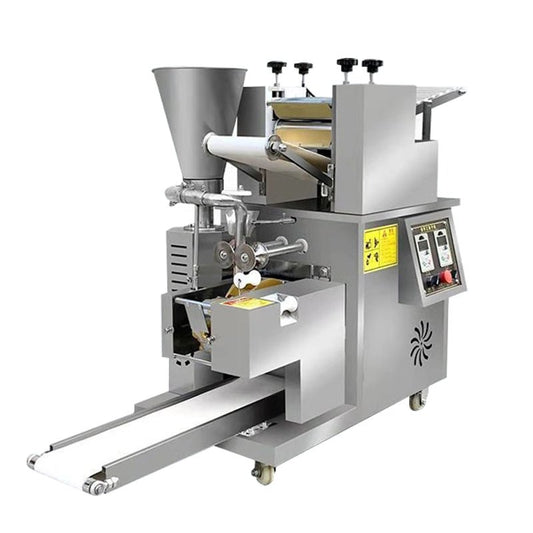
Momo dumpling machine size description 80-Dumpling momo making machine
Regular price From $350.00 USDRegular price -
SK-080 Tabletop Dumpling Skin Machine for Food Processing (Automatic)
Regular price From $850.00 USDRegular price -
PRE-350/500 Dough Press Machine Machine for Food Processing (Electric Drive)
Regular price From $1,550.00 USDRegular price -
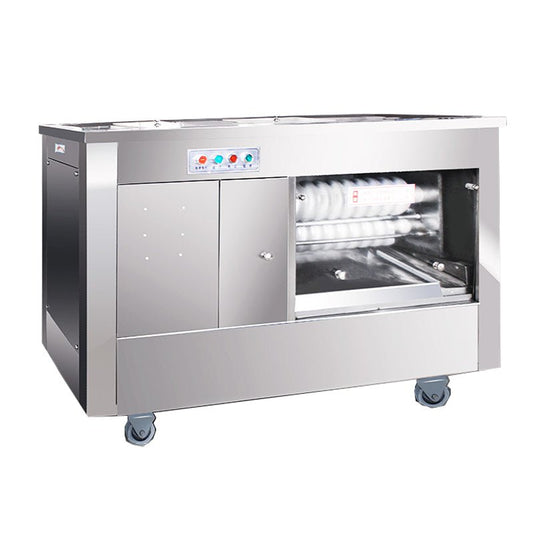
Commercially available original cut buns and steamd bread
Regular price $2,599.00 USDRegular price -
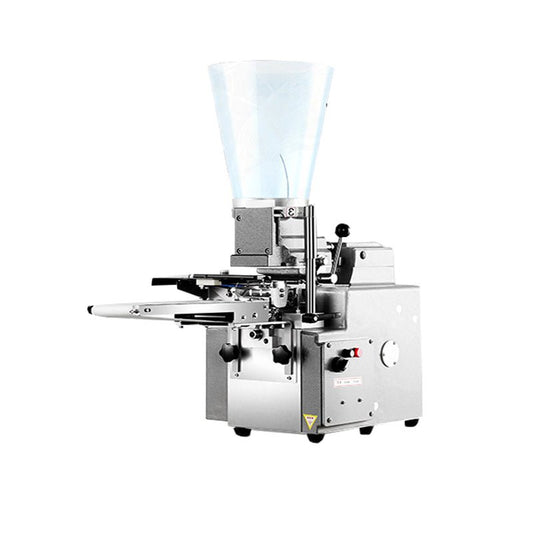
Commercial semi-automatic gyoza drill dumpling machine meat mixed
Regular price From $2,999.00 USDRegular price$4,500.00 USDSale price From $2,999.00 USDSale -
Commercial Steamed Bun & Baozi Maker | Fully Automatic Machine
Regular price From $2,999.00 USDRegular price -
PCK-1 Spring Making roll Wrapper for Food Processing (Automatic)
Regular price From $3,200.00 USDRegular price -
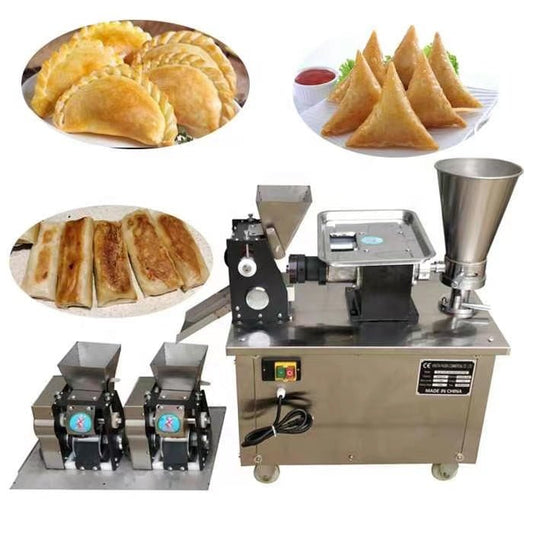
Automatic manual momo dumpling maker mould folding machine price
Regular price From $3,600.00 USDRegular price -
SPM-1700 Samosa Pastry Sheet Making Spring Roll Wrapper Machine for Food Processing
Regular price From $3,699.00 USDRegular price -
ADS-220 Dumpling Wrapper Machine for Food Processing (Automatic)
Regular price $4,999.00 USDRegular price -
Semi automatic curry puff wrapper folding sambosa samosa making machine
Regular price From $20,000.00 USDRegular price$25,000.00 USDSale price From $20,000.00 USDSale -
Automatic Goldfish Wonton Machine | Industrial Swallowtail Dumpling Maker
Regular price $21,000.00 USDRegular price -
Full automatic samosa making machine samosa folding curry puff maker machine
Regular price $110,000.00 USDRegular price
is added to your quote.