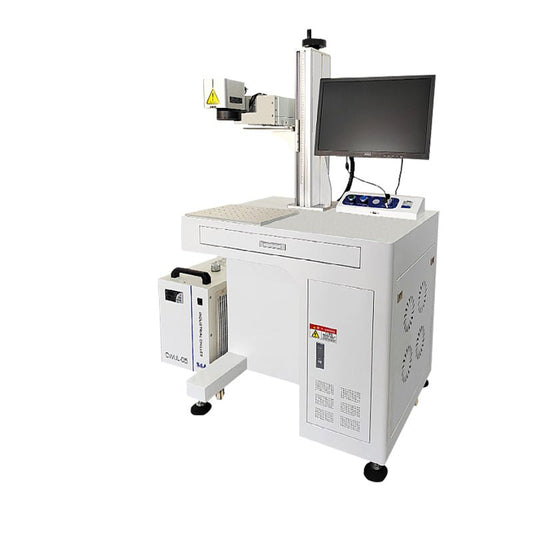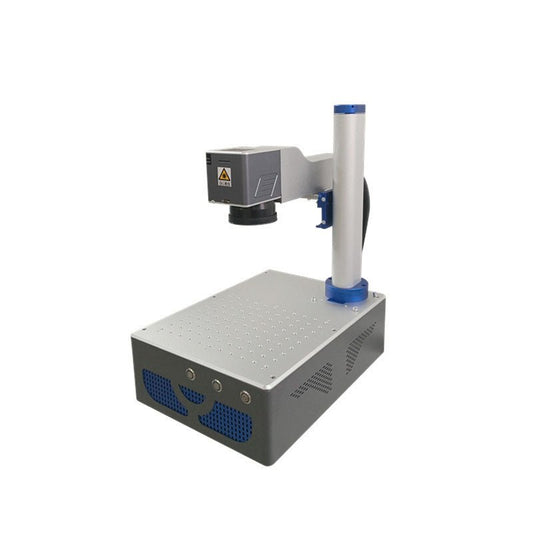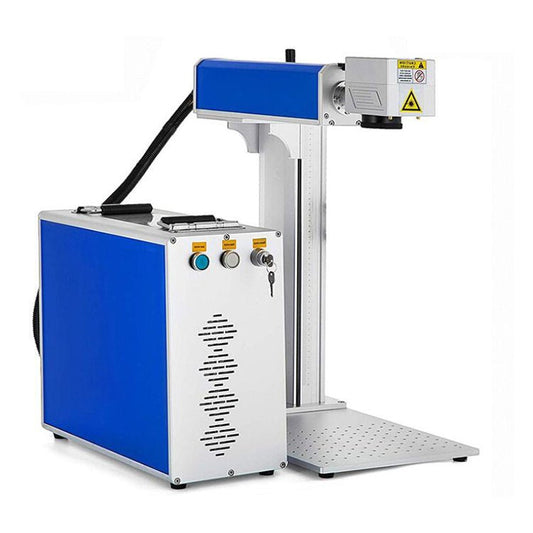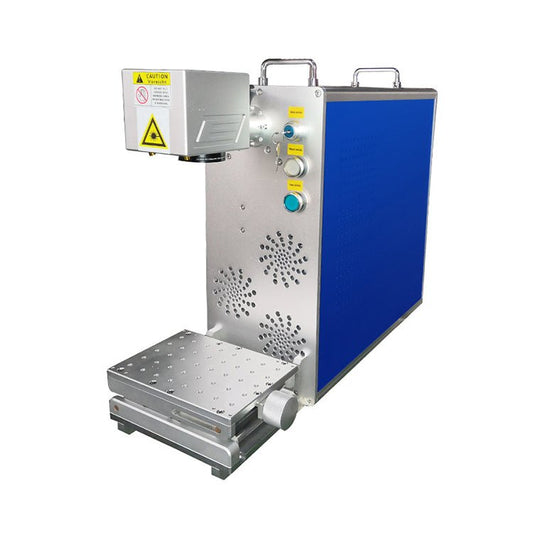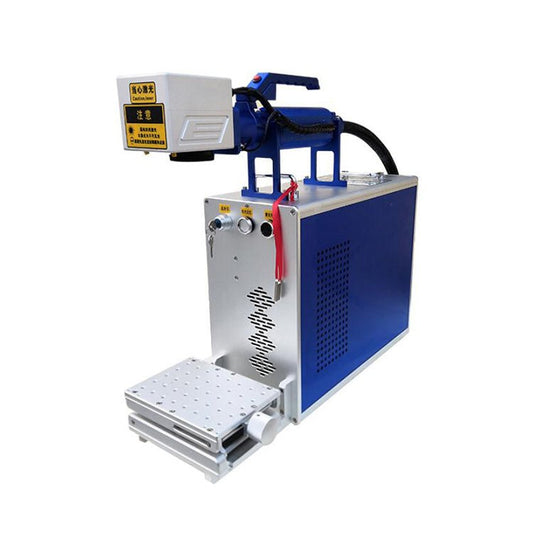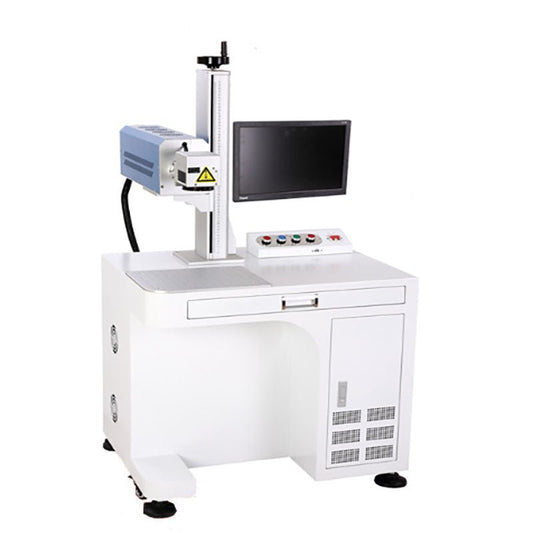
Collection: Laser Marking Machine for Permanent Codes & Logos — Fiber, CO2 & UV Markers

About Laser Marking Machine for Permanent Codes & Logos — Fiber, CO2 & UV Markers

A laser marking machine creates permanent, high-contrast marks — serial numbers, QR codes, barcodes, logos and date codes — by altering a material surface through heating, ablation or photochemical reaction. Fiber markers target metals and engineering plastics, CO2 markers handle wood, glass and packaging, and UV markers offer cold, micro-scale marking for PCBs and sensitive plastics. The non-contact process needs no ink or labels, supporting traceability, anti-counterfeiting and compliance.

How to Choose

  • Laser type — fiber for metals/plastics, CO2 for organics/packaging, UV for heat-sensitive and micro parts.
  • Marking area & lens — smaller lenses give finer detail, larger lenses cover bigger plates.
  • Power level — 20–100W options balance mark depth, speed and contrast for your parts.
  • Substrate & mark type — annealing, ablation, deep engraving or color marking depend on material.
  • Integration — rotary fixtures, conveyors and MES/PLC links suit production-line marking.

FAQ

Q: What is the difference between laser marking and laser engraving?
A: Marking changes surface color or properties with little or no depth (e.g., annealing, ablation), while engraving removes material to create a visible depression.

Q: Which laser marks metal parts?
A: Fiber laser markers (typically 1064nm) are strongly absorbed by metals and create durable serial numbers, QR codes and logos on steel, aluminum, brass and more.

Q: Do laser markers need ink or labels?
A: No. Laser marking is a non-contact process with no consumables like ink or labels, which lowers running cost and keeps production clean.

Q: Can laser marking be used for traceability and compliance?
A: Yes. Permanent QR codes, DataMatrix and batch codes survive handling, cleaning and solvents, supporting supply-chain traceability and regulatory identification.