-
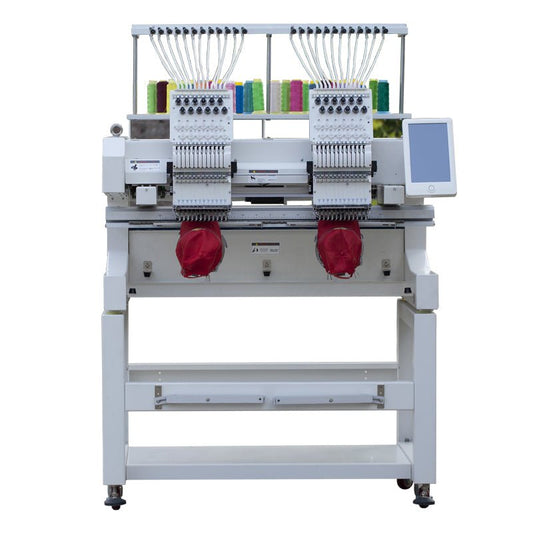
Double Head 12 needless Industrial Embroidery Machine Home Computer Embroidery
Regular price From $7,799.00 USDRegular price$8,999.00 USDSale price From $7,799.00 USDSale -
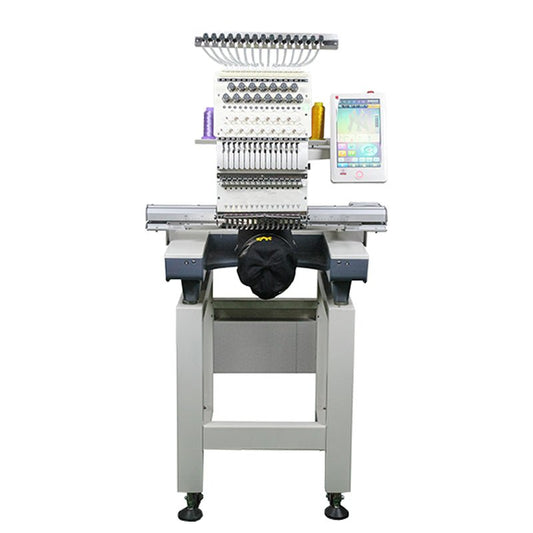
Industrial Single Head 12 Needless Home Computer Multifunctional Embroidery Machine
Regular price From $4,399.00 USDRegular price$4,999.00 USDSale price From $4,399.00 USDSale -
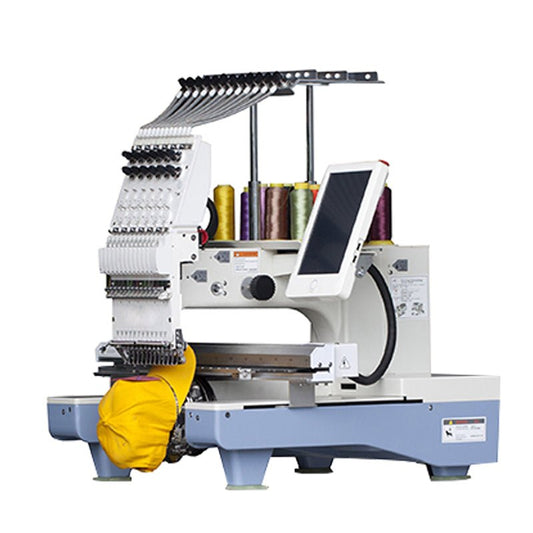
Single Head 12 needles Embroidery Machine With different embroidery areas for choice
Regular price From $4,500.00 USDRegular price$5,000.00 USDSale price From $4,500.00 USDSale -
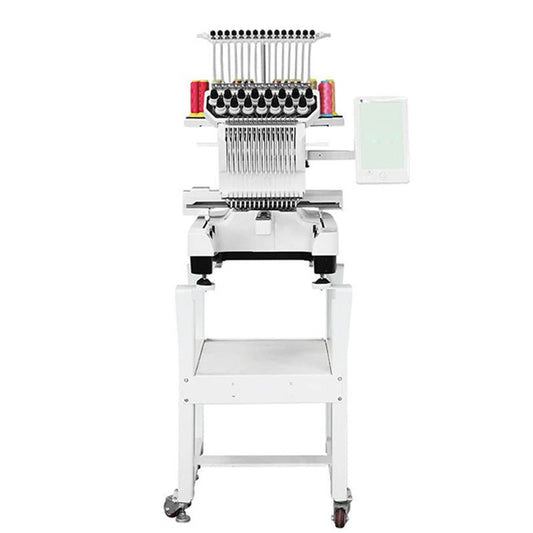
Commercial use of industrial 15 needles computerized embroidery machines US stocks
Regular price From $4,999.00 USDRegular price -
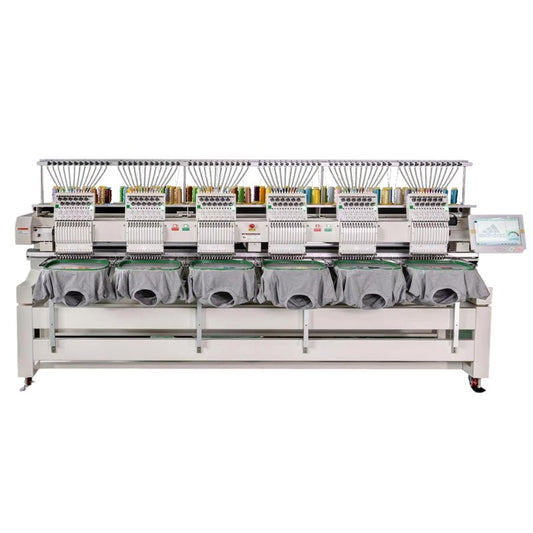
Six Head 12 needless Embroidery Machine Industrial Multifunctional Computer Embroidery Machine
Regular price $14,800.00 USDRegular price$17,799.00 USDSale price $14,800.00 USDSale -
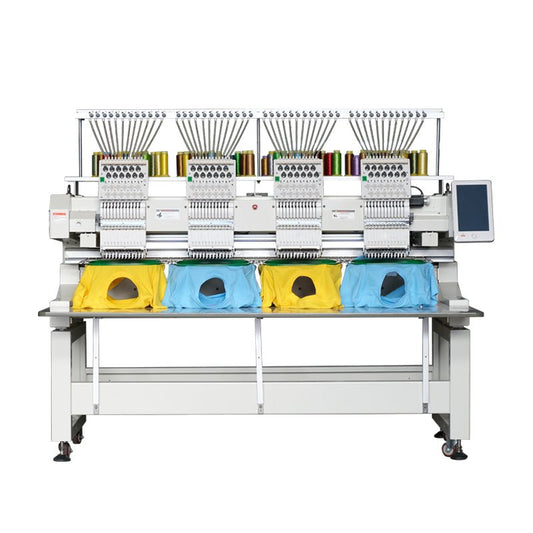
Four Head 12 needless Embroidery Machine Multifunctional Industrial Computer Embroidery Machine
Regular price From $10,799.00 USDRegular price$13,800.00 USDSale price From $10,799.00 USDSale
is added to your quote.