Collection: Laser Cutting Machine for Metal & Non-Metal — Fiber & CO2 Sheet, Tube Cutters
About Laser Cutting Machine for Metal & Non-Metal — Fiber & CO2 Sheet, Tube Cutters
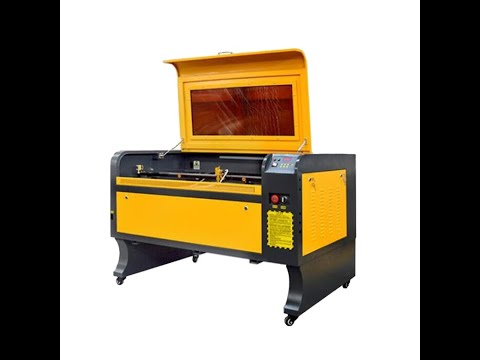
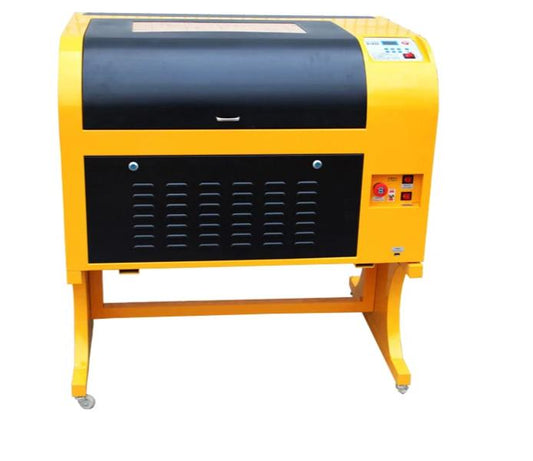
A laser cutting machine uses a focused, high-power laser beam to cut, engrave or etch materials with minimal kerf and no tool wear. Fiber lasers excel at high-speed cutting of metals such as steel, stainless, aluminum and brass, while CO2 lasers are preferred for wood, acrylic, leather, paper and textiles. Common formats include flatbed sheet cutters, tube/profile cutters and robotic 3D systems, serving sheet-metal, automotive, signage, aerospace and packaging industries.
How to Choose
- Laser source — fiber for metals, CO2 for non-metals (wood, acrylic, leather), UV/ultrafast for micro-machining.
- Material & thickness — match power (kW) and assist gas to your typical sheet thickness and metal type.
- Machine format — flatbed for sheets, tube/pipe cutter for profiles, robotic for 3D parts.
- Cut quality & speed — beam quality, focal control and motion planning affect edge finish and throughput.
- Software & safety — CAD/CAM compatibility, fume extraction and enclosure matter for production.
FAQ
Q: Which laser is better for cutting metal?
A: Fiber lasers are the best choice for metal cutting — they are faster, more energy-efficient and handle reflective metals like brass and copper better than CO2 lasers.
Q: Can a CO2 laser cut metal too?
A: CO2 lasers can cut some thin metals but much slower and less efficiently than fiber; they are primarily used for non-metallic materials.
Q: What is the difference between laser cutting and laser engraving?
A: Cutting separates material into pieces at full depth, while engraving removes surface material to create a depression; both use the same beam at different power and speed.
Q: What assist gases are used in laser cutting?
A: Nitrogen is used for clean, oxidation-free edges on stainless and aluminum, oxygen for faster cutting of carbon steel, and air as a low-cost option.