-
DFF6-2 Filling Hand Sanitizer Alcohol Machine for Pastes (Pneumatic Drive)
Regular price From $1,650.00 USDRegular price -
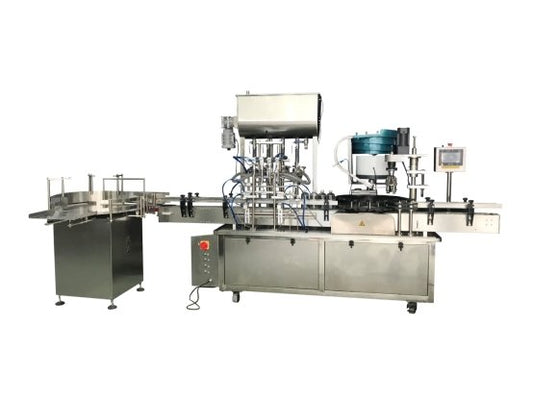
Automatic four nozzles liquid bottle filling capping labeling machine, small packing production line
Regular price From $21,000.00 USDRegular price -
4 head full automatic hand sanitizer paste filling machine line, sanitizer filling machine, capping machine, labeling machine
Regular price From $22,000.00 USDRegular price -
4 head full automatic alcohol liquid filling machine, capping machine, labeling machine
Regular price $28,500.00 USDRegular price -
4 head full automatic hand sanitizer paste filling machine line, sanitizer filling machine, capping machine, labeling machine
Regular price $21,000.00 USDRegular price -
F2-ELECTR Filler for Perfume Bottles & Liquids (Pneumatic Drive)
Regular price From $325.00 USDRegular price -
FF2-ONE Nozzle Semi-Auto Machine for Filling (Pneumatic Drive)
Regular price From $487.00 USDRegular price -
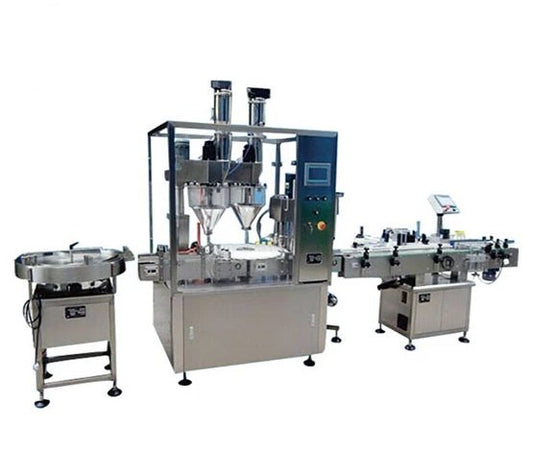
2 head full automatic powder filling machine line for Vial powder bottle Auto auger powder bottle
Regular price $27,000.00 USDRegular price -
4 head full automatic paste filling machine line for,Spray filling bottle,Nasal spray bottle
Regular price $21,000.00 USDRegular price -
4 head full automatic liquid filling machine line for Gorilla bottle Dropper bottle Alcohol bottle
Regular price $28,500.00 USDRegular price
is added to your quote.