

CECLE Machine
BO-1/2/3 Commercial Steam Bun Oven for Food Processing
BO-1/2/3 Commercial Steam Bun Oven for Food Processing
Couldn't load pickup availability
CECLE BO-1/2/3 vs. Traditional / Generic Alternative
Where the CECLE BO-1/2/3 stands out against manual or generic commercial steam bun oven — measured on the dimensions buyers care about most.
Technical Specifications
Shared across models: Max Gas Consumption (LPG): Approx. 1.4 kg/h; Max Gas Consumption (NG): Approx. 1.7 kg/h
| Model | Tabletop Dimensions | Aperture Diameter | Recommended Steamer Basket Size | Net Weight |
|---|---|---|---|---|
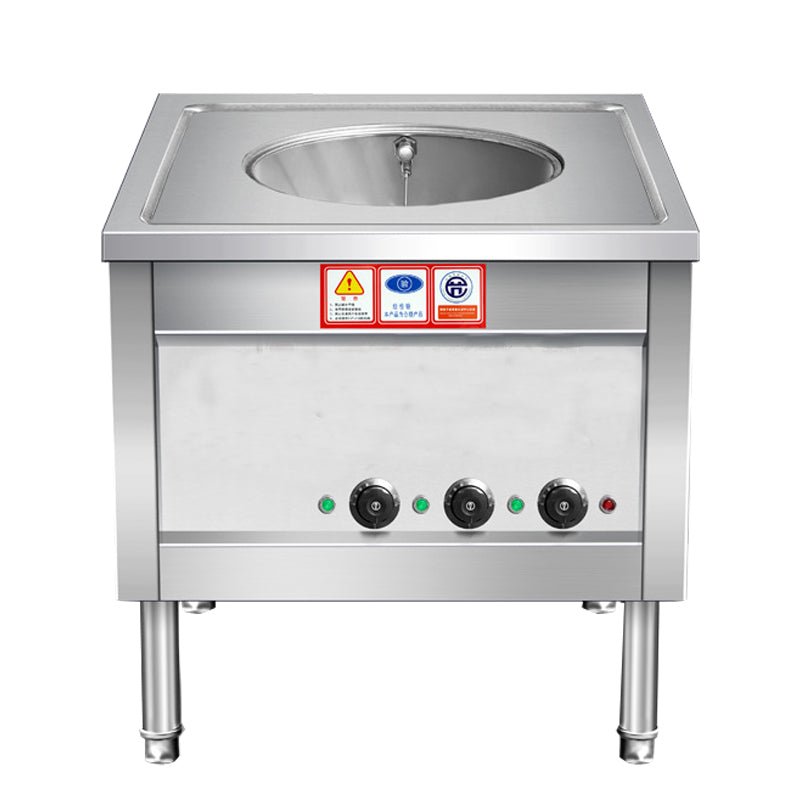
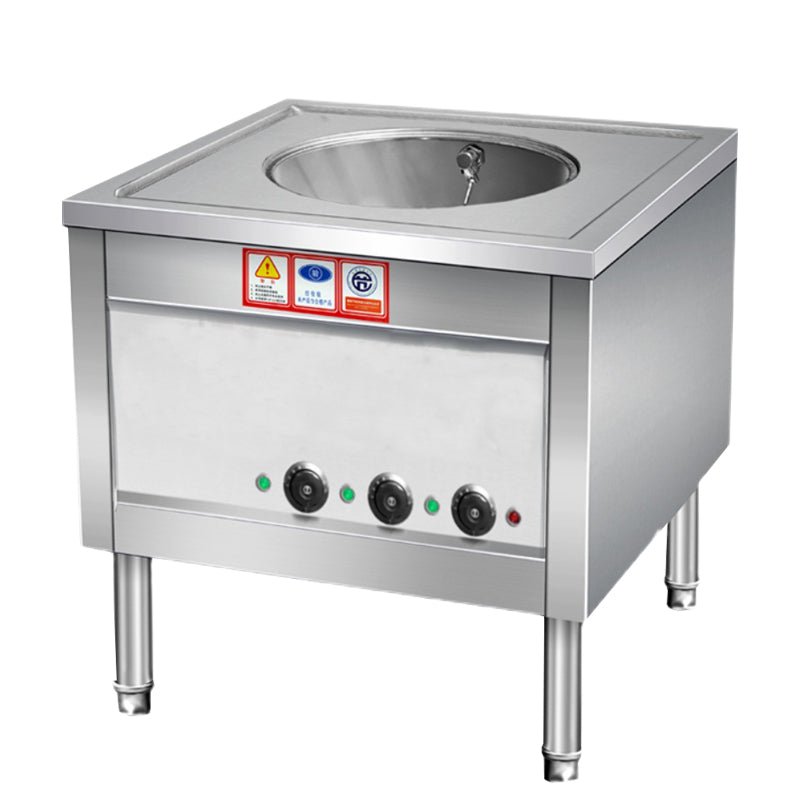
| BO-1 (65) | 65 × 65 × 75 cm | 38 cm (14.96″) Single Large | 40–54 cm (15.75–21.26″) | Approx. 60 kg (132 lbs) |
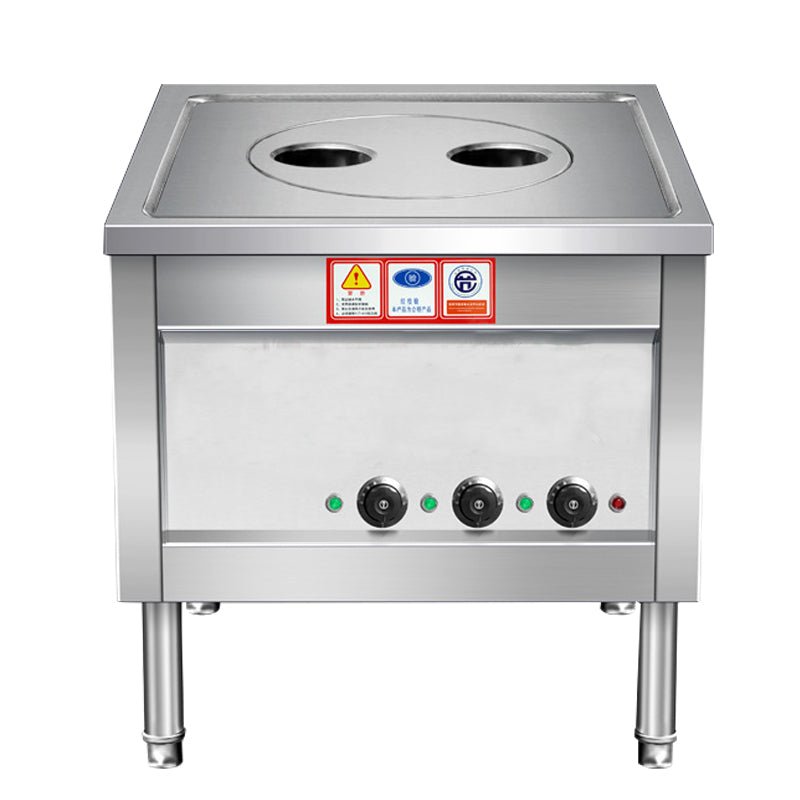
| BO-2 (65) | 65 × 65 × 75 cm | 13 cm (5.12″) Dual Holes | 15–30 cm (5.91–11.81″) | Approx. 60 kg (132 lbs) |
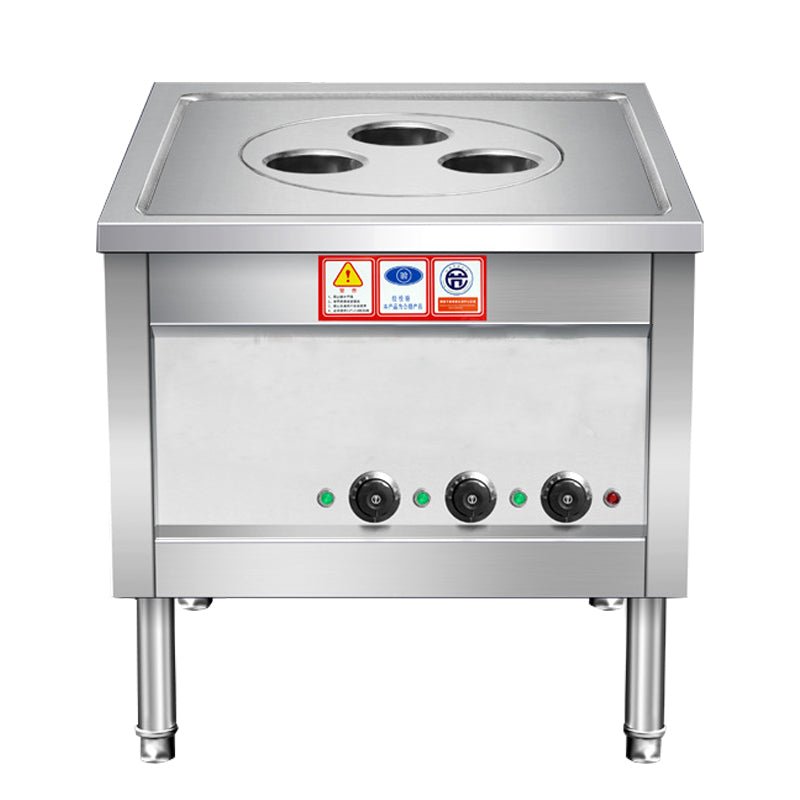
| BO-3 (65) | 65 × 65 × 75 cm | 13 cm (5.12″) Triple Holes | 15–25 cm (5.91–9.84″) | Approx. 60 kg (132 lbs) |
| BO-1 (71) | 71 × 70 × 75 cm | 38 cm (14.96″) Extra Large | 40–62 cm (15.75–24.41″) | Approx. 70 kg (154 lbs) |
| BO-1 (79) | 79 × 80 × 75 cm | 38 cm (14.96″) Super Large | 40–72 cm (15.75–28.35″) | Approx. 70 kg (154 lbs) |
Shared across models: Rated Voltage: 220V / 380V; Rated Heating Power: 9.0 kW Heavy-Duty Element
| Model | Aperture Layout | Recommended Steamer Basket Size | Dimensions (L × W × H) | Net Weight |
|---|---|---|---|---|
| BO-1 (65) | 38 cm Single Hole | 40–54 cm Baskets | 65 × 65 × 75 cm | Approx. 60 kg |
| BO-2 (65) | 13 cm Dual Holes | 15–30 cm Small Baskets | 65 × 65 × 75 cm | Approx. 60 kg |
| BO-3 (65) | 13 cm Triple Holes | 15–25 cm Small Baskets | 65 × 65 × 75 cm | Approx. 60 kg |
| BO-1 (71) | 38 cm Single Hole | 40–62 cm Baskets | 71 × 70 × 75 cm | Approx. 70 kg |
| BO-1 (79) | 38 cm Single Hole | 40–72 cm Baskets | 79 × 80 × 75 cm | Approx. 70 kg |
Compatible Applications & Materials
- industrial products — primary target products for this Commercial Steam Bun Oven line
- Standard industrial materials compatible with the machine's rated spec range
- B2B production lines and contract manufacturing workshops
Standard Operating Procedure (SOP)
- Setup: connect the required power / air supply and verify the control display.
- Parameter preset: set speed / temperature / pressure per the product spec.
- Material loading: place the product in the correct fixture / mold slot.
- Execution: start the cycle; monitor for stable, repeatable output.
- Quality check: inspect the first units; adjust if deviation appears.
- Safety & cooldown: use Emergency Stop on abnormality; allow cooldown before maintenance.
Engineering FAQ
Should I choose the Gas model or the Electric model for my breakfast shop?
A: This depends on your site infrastructure: Choose Gas : If you operate a street-level restaurant, mobile food truck, night-market stall, or a venue lacking 380V three-phase industrial power. Gas runs independently with standard LPG tanks without requiring blowers or cords. Choose Electric : If you operate in shopping malls, subway plazas, or commercial office basements where open flames are strictly prohibited, and where dedicated 380V/220V 9 kW electrical service is available.
How should I choose between Single Hole (BO-1), Dual Holes (BO-2), and Triple Holes (BO-3)?
A: Base your choice on your primary menu items: Large Steamed Buns, Bread & Mantou : Choose BO-1 (38 cm Large Aperture) . It accommodates 40–70 cm stacked large bamboo baskets, producing hundreds of items per batch; Soup Dumplings (Xiaolongbao), Dim Sum & Stew Cups : Choose BO-2 (Dual) or BO-3 (Triple) . Individual openings allow on-demand batch steaming without losing steam across the whole unit.
Can this machine steam Cantonese rice noodle rolls and cold skin (Liangpi) as well?
A: Yes. The unit is designed specifically with "Rice Noodle Roll" and "Cold Skin" production in mind. By placing flat square roll drawers or circular cold skin trays over the apertures, the dense saturated steam cooks batter into elastic, tender sheets in just 60 to 90 seconds.
What routine maintenance keeps the BO-1/2/3 stable for long production runs?
A: Keep the working area clean, verify the rated power/air supply before each shift, and inspect wear parts per the technical manual. Stable input conditions are the main factor in consistent output and long service life.
Which product sizes and formats can the BO-1/2/3 handle?
A: The machine is configured for its rated specification range (see Technical Specifications). For formats outside the standard range, CECLE can advise on tooling or model selection.
Full Documentation & Drawings
Complete technical manual, parameters and engineering drawings: CECLE Docs — BO-1/2/3
Related CECLE Machines
Request a Quote
Send your product specifications, target output and format details to CECLE for a tailored configuration, lead time and factory-direct quotation.
Share