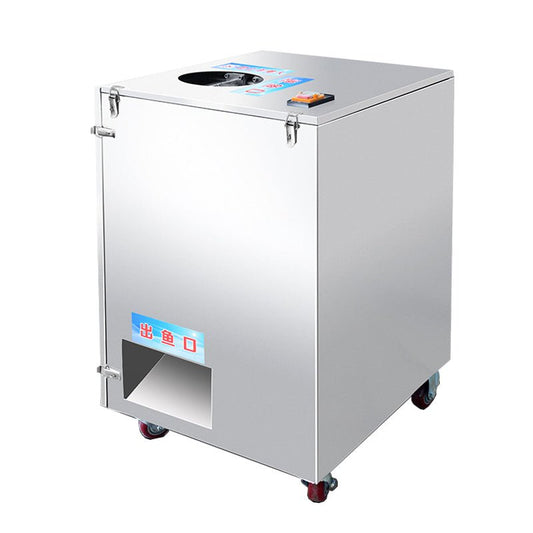
Koleksi: Peralatan Pengolahan Makanan Laut Komersial
Tentang Peralatan Pengolahan Makanan Laut Komersial
Peralatan pengolahan makanan laut komersial mengotomatiskan tahapan persiapan ikan yang membutuhkan banyak tenaga kerja: pengikisan sisik, pemotongan, pengeluaran isi perut, pengulitan, dan fillet. Mesin-mesin ini digunakan di pabrik pengolahan makanan laut, pasar ikan, konter supermarket, dan dapur restoran yang menangani ikan dalam volume harian tinggi. Konstruksi baja tahan karat dan pembersihan berbantuan air menjaga lini tetap higienis, sementara pengaturan yang dapat disesuaikan memungkinkan penanganan berbagai ukuran dan spesies ikan. Peralatan yang tepat meningkatkan hasil, mengurangi tenaga kerja manual, dan mempercepat pengolahan saat volume sedang tinggi.
Cara Memilih
- Kapasitas ikan atau kilogram per jam yang sesuai dengan volume harian Anda
- Rentang ukuran ikan yang dapat ditangani mesin, termasuk spesies utama Anda
- Fungsi yang diperlukan: pengikisan sisik, pemotongan kepala dan ekor, pembuatan fillet, pengulitan, atau pengeluaran isi perut
- Komponen yang bersentuhan dengan makanan terbuat dari baja tahan karat dan mudah dibersihkan dengan penyemprotan air
- Tingkat otomatisasi dan keterampilan operator yang diperlukan untuk pengoperasian sehari-hari
Tanya Jawab
T: Mesin makanan laut apa yang saya perlukan untuk pasar ikan?
J: Mulailah dengan mesin pengikis sisik dan mesin pemotong untuk membagi ikan menjadi beberapa porsi. Jika Anda menjual fillet, tambahkan mesin pembuat fillet dan mesin pengulit. Volume, spesies, dan menu Anda menentukan lini yang tepat.
T: Dapatkah satu mesin mengolah ikan dengan berbagai ukuran?
J: Sebagian besar mesin memiliki pemandu dan kecepatan yang dapat disesuaikan untuk rentang ukuran tertentu. Pastikan dimensi minimum dan maksimum ikan sesuai dengan spesies yang Anda tangani agar mesin tidak menolak atau merusak produk.
T: Apakah mesin-mesin ini merusak ikan?
J: Tidak. Mesin-mesin ini dirancang dengan pengikisan sisik berbantuan air dan pemandu pemotongan yang presisi untuk meminimalkan kerusakan, sehingga meningkatkan hasil yang dapat digunakan dibandingkan pekerjaan manual yang dilakukan dengan cepat.
T: Bagaimana cara membersihkan mesin pengolahan makanan laut?
J: Sebagian besar mesin dirancang untuk dibersihkan dengan penyemprotan air dan sanitiser yang aman untuk makanan setelah setiap pergantian shift. Komponen yang dapat dilepas dan desain dengan akses terbuka memudahkan Anda menjaga lini tetap bersih dan sesuai dengan ketentuan.