Koleksi: Sabuk Konveyor PU untuk Mesin Pengemasan
Tentang Sabuk Konveyor PU untuk Mesin Pengemasan
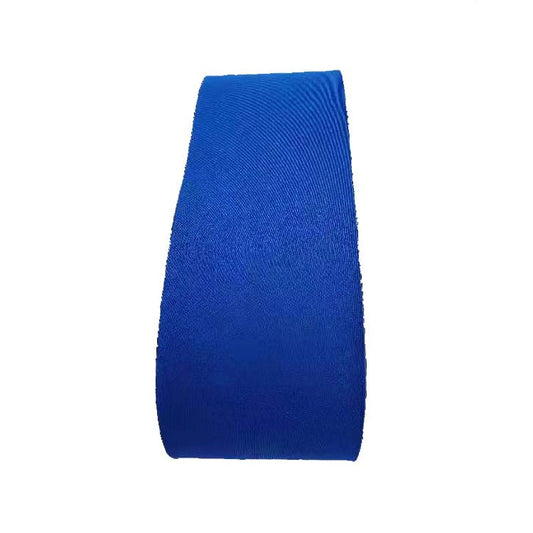
Sabuk konveyor adalah permukaan bergerak yang membawa produk melalui lini pengemasan, makanan, dan manufaktur. Sabuk PU dan PVC menawarkan pengangkutan food-grade, tahan minyak, dan tahan abrasi dengan lebar mulai dari 100 mm hingga lebih dari 3000 mm. CECLE menyediakan 1 produk sabuk.
Cara Memilih
- Pilih bahan sabuk berdasarkan produk: PVC untuk penggunaan umum/kering, PU untuk lini food-grade dan berminyak, silikon untuk aplikasi bersuhu tinggi.
- Pilih profil permukaan—halus untuk barang datar, bertekstur/berembos untuk cengkeraman, permukaan kasar untuk pengangkutan miring atau licin.
- Sesuaikan jumlah lapisan dan ketebalan dengan beban: 1 lapis untuk penggunaan ringan/toko roti, 2 lapis untuk penggunaan umum, 3 lapis atau lebih untuk lini dengan beban berat atau benturan tinggi.
- Pastikan lebar, panjang, dan sertifikasi keamanan pangan (FDA/USDA, UE), serta tentukan apakah diperlukan rel pemandu, sirip penahan, atau dinding samping.
- Periksa ketahanan terhadap bahan kimia/minyak dan suhu pengoperasian (PU biasanya -20 hingga 80°C) sesuai dengan kondisi proses Anda.
FAQ
T: Sabuk konveyor PU atau PVC untuk lini makanan?
J: PU lebih disukai jika sabuk bersentuhan langsung dengan makanan—sabuk ini tahan minyak, food-grade FDA/USDA, dan lebih awet; PVC cocok untuk pengemasan kering dan tidak berminyak serta lebih murah.
T: Bagaimana cara mencegah sabuk tergelincir pada jalur miring?
J: Gunakan permukaan PU kasar atau bertekstur dengan tegangan yang tepat; sirip penahan atau dinding samping dapat ditambahkan untuk sudut curam dan produk yang mudah bergeser.
T: Berapa lebar dan jumlah lapisan yang saya perlukan?
J: Lebar ditentukan oleh produk dan tata letak lini (tersedia 100–3000 mm); 1 lapis cocok untuk penggunaan ringan di toko roti, sedangkan 2–3 lapis menangani beban yang lebih berat—beri tahu CECLE produk Anda agar dapat dipilihkan yang sesuai.